
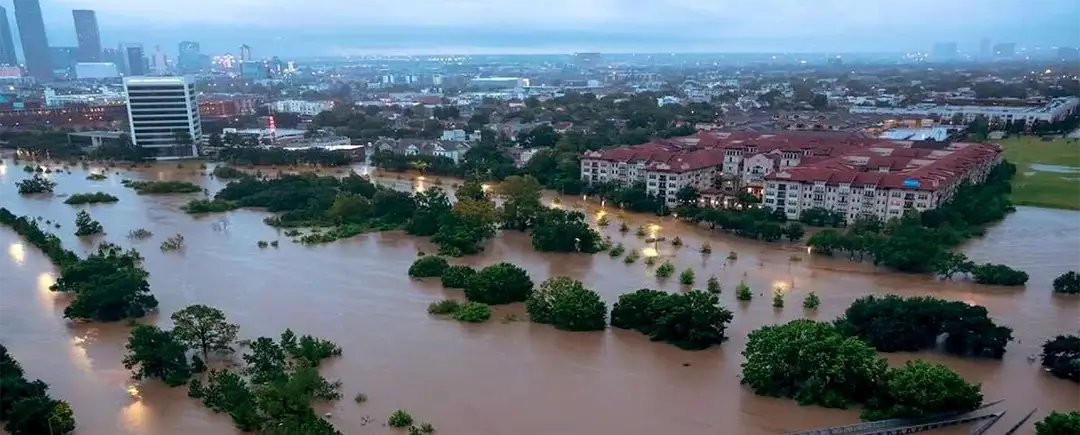
So I’ve been working in civil engineering for a while now, and honestly, every monsoon season I see the same pattern repeat itself. New homeowners panicking, society WhatsApp groups blowing up, and people wondering why their “premium” apartment is underwater.
Let me share something that most property consultants won’t tell you upfront.
The Thing Everyone Misses
When you’re hunting for your first home, you’re probably looking at:
- How the floor plan looks
- What amenities they’re offering
- Whether the price fits your budget
I get it. That’s what catches your eye in the brochures.
But here’s what I’ve seen happen repeatedly – if the area’s urban planning is poorly done, you’re signing up for annual monsoon stress. And I’m not exaggerating.
“It Only Floods During Heavy Rain”
Whenever someone tells me this about their area, I can already guess what went wrong during development.
The thing is, flooding isn’t really about the rain itself. It usually happens because:
- Someone built over natural water pathways
- Old lakes or streams got filled up for construction
- Storm drains either don’t exist or are way too small
Rain just shows you where the planning failed.
Climate Patterns Have Changed (Whether We Like It or Not)
Look, I’m not here to debate climate science, but the rainfall patterns are definitely different now.
What used to happen:
- Light to moderate rain spread across several days
What happens now:
- 2-3 hours of intense downpour that dumps what used to be a month’s worth of rain
Most city layouts weren’t built expecting this kind of intensity. So when there’s weak planning, the water literally has nowhere to go – and it ends up in your parking lot, basement, or ground floor.
The Real Costs Nobody Calculates
This is what actually hits you every monsoon:
Immediate problems:
- Basement parking gets flooded (hello car damage)
- Lift motors go underwater (enjoy the stairs for weeks)
- Power backup systems fail
- Water starts seeping into building structure
Long-term issues:
- Health problems from mosquito breeding
- Maintenance costs that keep climbing
- Structural damage that compounds over time
And here’s the kicker – builder warranties don’t really cover this stuff properly. You’re the one who ends up paying, year after year.
About Those “Premium” Low-Lying Projects…
I’ve seen this happen too many times. Fancy projects built on:
- What used to be lakes
- Old agricultural land
- Areas that were natural drainage zones
During monsoon, nature basically tries to reclaim these spaces. No amount of fancy lobbies or Italian marble can fight against poor site selection.
Something People Don’t Think About: Emergency Access
In areas with bad planning, you usually have:
- Narrow internal roads
- Poor drainage slope design
When it rains heavily:
- Ambulances struggle to reach you
- Fire engines can’t get through easily
- Power restoration takes forever
If you have elderly parents, kids, or anyone with health issues at home, this becomes genuinely concerning.
The Resale Reality Check
Here’s what happens over time:
Today’s buyers are smart. They:
- Google “[area name] flooding”
- Check old news reports and videos
- Ask in local Facebook groups
Once your area gets known for flooding:
- Families with kids avoid it
- Elderly buyers look elsewhere
- Tenants demand lower rent or skip it entirely
What seemed like a great deal starts feeling like a trap.
What I Actually Check Before Buying (From Experience)
Before putting down that booking amount:
Talk to locals:
- Visit nearby shops and ask about past monsoons
- Chat with security guards of neighboring buildings
- Check with residents who’ve lived there 3+ years
Look for warning signs:
- Are storm drains visible and properly sized?
- Any lakes or water bodies nearby (even if they look “dried up”)?
- Is the project lower than the main road level?
- How’s the drainage setup at the basement ramp?
If the builder or sales team gets defensive about these questions, that’s usually your answer.
My Honest Take (No Sales Pitch Here)
A beautifully designed apartment in a poorly planned area is a liability waiting to happen.
You can renovate interiors. You can upgrade fixtures. You cannot fix the city’s drainage system or urban layout.
With rainfall patterns getting more extreme, these planning mistakes will keep causing problems. And as a homeowner, you’ll keep dealing with the consequences.
Bottom line: Buy smart. Look beyond the sample flat and the amenities brochure.
Check the area’s urban planning and drainage infrastructure. It’s boring, unglamorous research, but it’ll save you from years of monsoon nightmares and financial stress.