
Most people look at a home plan and only see rooms…
But a smart buyer sees the hidden problems inside the layout.
Because a “good looking plan” can still create daily issues like:
1.wasted space
2.poor privacy
3.awkward movement
4.bad ventilation
5.future resale problems
A layout mistake is not a small mistake…
You will live with it every single day.
And later, fixing it becomes expensive, stressful, and sometimes impossible.
so if you’re buying a flat, this is the one thing you must learn.
how to read a layout like an engineer, not like a brochure
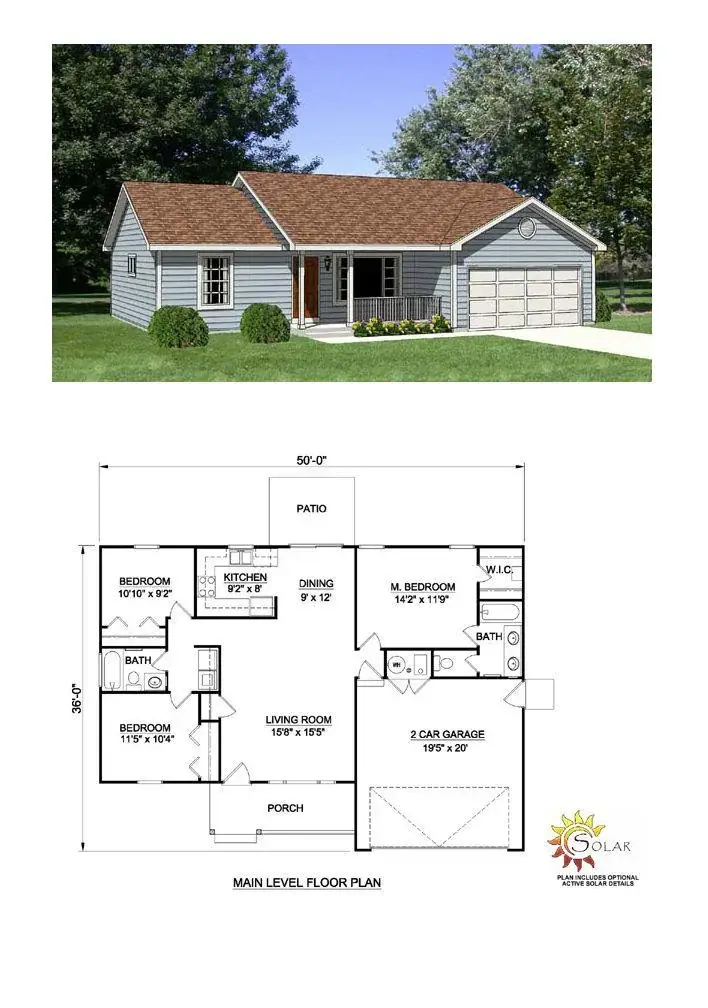
Look at the uploaded image, observe it carefully, and read this report. You’ll get a lot of valuable insights from this layout. You’ll also learn how to analyze a home plan properly so when you’re searching for a new home, this knowledge will help you make a smarter decision
Space Utilization
The floor plan demonstrates high spatial efficiency with a centrally located living and dining hub that minimizes dedicated corridor space. The circulation flow is logical, though the living room acts as a crossroads for multiple paths, which can restrict certain furniture arrangements.
Room Positioning
A split-bedroom layout is utilized, placing the master suite on the opposite side of the common areas from the secondary bedrooms. The kitchen is strategically placed between the dining area and the utility zone, facilitating easy service to both indoor and outdoor dining spaces.
Privacy Control
Privacy is well-handled by the split-bedroom design. The master suite is isolated from the noise of the secondary bedrooms. However, the secondary bathroom door is visible from the living area, and the main entrance lacks a foyer, meaning the interior is immediately exposed upon opening the front door.
Light & Ventilation
Ventilation potential is excellent. Every bedroom is situated on a corner, allowing for windows on two walls to facilitate cross-breeze. The open-plan living and dining area, combined with the patio door, provides a clear path for air movement across the depth of the house.
Noise Impact
The master bedroom is adjacent to the garage and the utility closet (housing the water heater), which could lead to mechanical noise transfer. The secondary bedrooms share a common wet wall with the shared bathroom, a typical design that may lead to plumbing noise during nighttime use.
Daily Living
The inclusion of a dedicated 2-car garage with direct internal access to a laundry/utility zone is a major functional plus. The U-shaped kitchen provides a compact but efficient work triangle, although counter space is somewhat limited for a three-bedroom residence.
Key Strengths (Pros)
Split bedroom configuration maximizes privacy for the master suite.
Corner bedroom placements ensure superior natural light and dual-aspect ventilation.
Integrated utility zone near the garage entry serves as an efficient mudroom/laundry transition.
Large 2-car garage provides significant storage and vehicle protection uncommon in smaller floor plans.
Drawbacks (Cons)
Lack of a formal foyer or transition zone at the front entrance.
Relatively small kitchen dimensions (9’2′ x 8′) for a home that can accommodate five or more people.
Master bedroom shares a wall with high-noise areas like the garage and water heater closet.
Ideal Audience
Small to medium-sized families or retirees who desire a private master suite and the convenience of single-level living with an attached garage.